
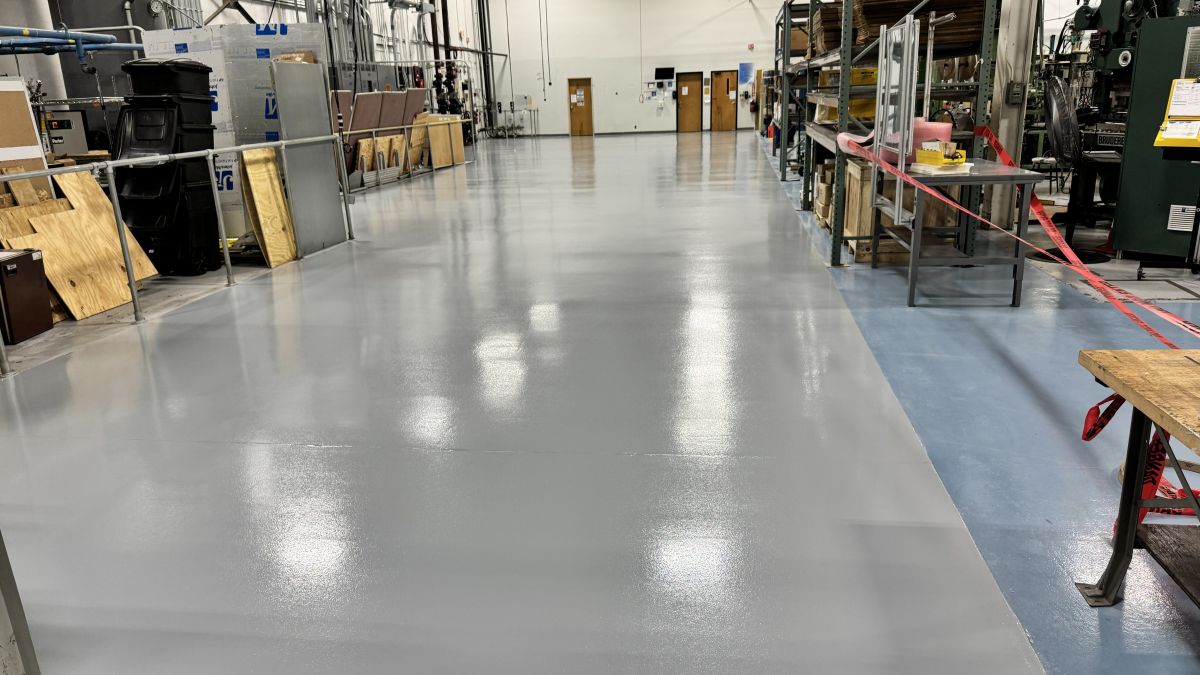

Industrial and commercial facilities experience constant wear from forklifts, rolling carts, heavy machinery, chemical spills, and continuous foot traffic. Over time, untreated concrete floors begin to crack, chip, dust, and lose their structural strength. This damage not only creates safety risks but also increases maintenance costs and operational downtime. Choosing the right flooring system is one of the most important decisions for facility owners who want durability, safety, and long-term performance.
Modern High Traffic Flooring systems are designed to withstand harsh environments while maintaining a clean and professional appearance. These advanced flooring solutions provide superior resistance against abrasion, impact, moisture, chemicals, and thermal shock. Whether it is a manufacturing plant, warehouse, food processing unit, or commercial facility, engineered resinous flooring systems offer dependable performance for years.
Why Industrial Facilities Need Durable Flooring
Concrete surfaces in industrial settings are exposed to constant pressure every day. Forklifts carrying heavy pallets create repeated stress on the floor surface. Chemical spills from industrial processes can slowly weaken untreated concrete. In wet environments, moisture penetration can lead to cracks and surface deterioration.
A high-performance flooring system helps solve these challenges by creating a protective barrier over the concrete substrate. This barrier increases durability while reducing maintenance and repair expenses. Facilities that invest in professional flooring systems often experience fewer operational interruptions and improved workplace safety.
Durable flooring also contributes to better productivity. Smooth and even surfaces allow equipment to move efficiently while reducing the risk of accidents caused by damaged flooring.
Common Problems with Unprotected Concrete Floors
Many facility owners underestimate how quickly concrete floors can deteriorate under heavy use. Without proper protection, several issues may appear over time.
Surface Cracking
Heavy machinery and continuous traffic place excessive pressure on concrete surfaces. Small cracks can expand quickly and lead to structural damage.
Dust Formation
Concrete dust is a common issue in warehouses and manufacturing environments. Dust accumulation affects air quality and may damage sensitive equipment.
Chemical Damage
Industrial chemicals, oils, and cleaning agents can penetrate porous concrete surfaces. This weakens the floor and shortens its lifespan.
Safety Hazards
Uneven or damaged floors increase the risk of slips, trips, and workplace injuries. Safety issues can lead to costly liability concerns.
Types of High-Performance Flooring Systems
Epoxy Flooring Systems
Epoxy flooring is one of the most popular solutions for industrial environments. It creates a hard and durable surface that resists impact, abrasion, and chemicals. Epoxy coatings are commonly used in warehouses, automotive facilities, and manufacturing plants.
These systems also improve floor appearance with a smooth and professional finish. Epoxy flooring is available in different textures and colors, allowing businesses to customize the surface according to operational needs.
Urethane Cement Flooring
Urethane cement flooring is ideal for facilities exposed to extreme temperatures and moisture. Food processing plants and commercial kitchens often use this flooring system because of its thermal shock resistance.
This flooring type can handle hot water washdowns, steam cleaning, and aggressive chemicals without breaking down. It also provides excellent slip resistance, improving workplace safety.
Polyaspartic Flooring
Polyaspartic flooring systems are known for rapid curing times. Businesses that cannot afford long downtime often choose this option because installations can be completed quickly.
These floors offer strong resistance to UV exposure, abrasion, and chemicals. They are commonly used in commercial garages, distribution centers, and retail spaces.
Key Benefits of Resinous Flooring Systems
Long-Term Durability
Resinous flooring systems are built to withstand years of heavy traffic and industrial use. Their high compressive strength protects concrete surfaces from damage.
Improved Safety
Slip-resistant finishes reduce workplace accidents. Seamless flooring surfaces also eliminate gaps where dirt and bacteria can accumulate.
Easy Maintenance
These flooring systems are easy to clean and maintain. Regular sweeping and washing are usually enough to keep the surface in excellent condition.
Chemical Resistance
Industrial facilities often work with harsh substances that can damage standard flooring. Resinous systems resist chemicals and prevent surface deterioration.
Cost Savings
Although high-performance flooring requires an initial investment, it reduces long-term repair and maintenance costs. Durable surfaces also minimize downtime caused by floor damage.
Choosing the Right Flooring for Your Facility
Selecting the best flooring system depends on several factors. Every facility has unique operational demands, and understanding those requirements is essential.
Traffic Volume
Facilities with constant forklift traffic require stronger flooring systems with high impact resistance.
Exposure to Chemicals
Chemical plants and manufacturing facilities need flooring that resists corrosion and staining.
Moisture Conditions
Wet environments benefit from moisture-resistant systems like urethane cement flooring.
Installation Time
Businesses operating around the clock may prefer fast-curing systems to reduce downtime.
Consulting experienced flooring professionals helps ensure the right system is selected for maximum performance and durability.
The Importance of Proper Surface Preparation
Even the best flooring materials can fail without proper substrate preparation. Surface preparation is one of the most critical steps in the installation process.
Concrete surfaces must be cleaned, repaired, and mechanically profiled before installation begins. This process removes contaminants and creates a strong bond between the flooring system and the concrete substrate.
Professional contractors use techniques such as shot blasting and diamond grinding to prepare the surface correctly. Proper preparation significantly increases the lifespan of the flooring system.
Industries That Benefit from Advanced Flooring Solutions
Many industries rely on durable flooring systems to maintain efficiency and safety.
Manufacturing plants require impact-resistant surfaces for heavy machinery and equipment movement. Warehouses depend on smooth flooring to support forklift operations. Food and beverage facilities need hygienic and moisture-resistant systems. Automotive shops benefit from chemical-resistant surfaces that can withstand oils and fluids.
Modern Industrial high traffic flooring systems provide reliable protection across all these demanding environments.
How Flooring Systems Improve Operational Efficiency
A damaged floor can slow operations and create unnecessary expenses. High-performance flooring systems help facilities operate more efficiently by reducing maintenance interruptions and improving equipment movement.
Seamless flooring surfaces also create a cleaner environment, which is especially important in industries with strict hygiene standards. Better floor performance contributes to smoother workflows and increased productivity.
Conclusion
Industrial and commercial facilities require flooring systems that can handle constant pressure, heavy traffic, chemical exposure, and challenging environmental conditions. Standard concrete surfaces often fail under these demands, leading to cracks, dust, and safety risks.
High-performance resinous flooring systems provide long-term durability, safety, and cost savings. Whether using epoxy, urethane cement, or polyaspartic systems, investing in the right flooring solution protects your infrastructure and supports uninterrupted operations. Choosing the correct material and ensuring proper installation are essential steps toward creating a durable and efficient workspace.
FAQ
1. What is the best flooring option for heavy industrial traffic?
Epoxy and urethane cement flooring systems are among the best options for heavy industrial traffic because they offer excellent durability, impact resistance, and chemical protection.
2. How long does industrial flooring last?
A professionally installed industrial flooring system can last 10 to 20 years or more depending on traffic levels, maintenance, and environmental conditions.
3. Why is surface preparation important before flooring installation?
Proper surface preparation ensures strong adhesion between the flooring system and concrete substrate, preventing peeling, cracking, and early failure.