


Most facility managers think about flooring once, during construction, and then again when something goes wrong. That reactive approach costs facilities far more than proactive investment ever would. In the food and beverage industry, your floor is actively working either for you or against you every single shift. The right system protects your operation, supports your sanitation crew, and keeps regulators satisfied. The wrong one creates problems that compound quietly until they explode into costly violations.
High Performance Systems has operated as certified industrial flooring contractors since 1988, exclusively serving commercial and industrial facilities across New Jersey, New York, and Pennsylvania.
Why Do Food Facilities Need Specialized Floor Systems?
Food production environments are among the harshest places a floor can exist. Organic acids from meat, dairy, and produce slowly attack untreated concrete. Steam from washdowns creates rapid temperature swings that crack brittle coatings. Heavy equipment rolls across wet surfaces daily, generating both mechanical stress and slip hazards. Add regulatory requirements from the USDA and FDA and you have an environment where only purpose-engineered systems survive long-term.
Proper food and beverage flooring is engineered specifically for these conditions. It doesn’t just tolerate the environment; it actively resists everything that environment throws at it, day after day, year after year.
What Role Does Floor Seamlessness Play in Sanitation?
Think of every joint, grout line, and floor crack as a bacterial apartment complex. Each recess provides moisture, warmth, organic matter, and protection from cleaning equipment. Pathogens don’t need much to establish biofilm colonies in these spaces, and once established, biofilm is extraordinarily difficult to remove through surface cleaning alone.
Seamless floor systems from High Performance Systems eliminate every one of those habitats. The antimicrobial, non-porous surface leaves pathogens nowhere to hide and nothing to anchor to. This is precisely why USDA and FDA compliant flooring must be seamless, not just cleanable.
How Does Urethane Concrete Compare to Standard Epoxy?
Both urethane concrete and epoxy are significant upgrades over bare concrete, but they serve different purposes within a facility. Standard epoxy works well in areas with moderate chemical exposure and regular foot traffic. Urethane concrete is the correct choice where thermal shock, heavy organic acids, and forklift traffic combine into the most punishing possible conditions.
As an experienced urethane concrete contractor, High Performance Systems installs systems engineered to handle thermal shock up to 250°F without cracking or delaminating. That resilience is what keeps a floor intact and sanitary through years of aggressive industrial use, not just months.
Which Facilities Does This Apply To?
The answer is broader than most operators initially assume. Meat and poultry processing plants, large-scale commissary kitchens, industrial bottling plants, and commercial cold storage facilities all operate in conditions that demand industrial-grade floor systems. Each environment has slightly different stress profiles, and the right contractor will tailor the system to match.
High Performance Systems has worked across all of these environments. Their certified team understands that a bottling plant floor faces different chemical stressors than a meat processing floor, and they engineer accordingly.
The Inspection Connection Most Managers Overlook
Food service inspectors are trained to look at floors carefully. Visible cracks trigger automatic scrutiny. Stained grout lines suggest improper maintenance even when the rest of the facility is spotless. Peeling coatings near drains indicate a floor system that wasn’t built for the environment it’s operating in. Any of these findings can escalate a routine inspection into a serious compliance issue.
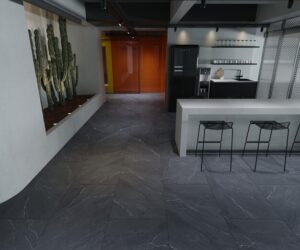
A high-quality food service flooring installation makes the inspector’s job easy, and that’s exactly the outcome you want. A floor that clearly meets code, looks well-maintained, and shows no signs of bacterial harborage points is a floor that gets you out of an inspection quickly and cleanly.
What About Front-of-House Dining Areas?
Heavy-duty urethane concrete isn’t the right product for every area of a food service operation. High Performance Systems also installs epoxy chip flooring for elegant dining rooms, incorporating decorative chips that add texture and visual interest while remaining durable and easy to clean. The same technical precision that goes into a processing plant floor goes into a dining room installation. It just looks a lot more inviting.
Long-Term Cost vs. Short-Term Savings
Choosing a budget floor coating to save money upfront almost always costs more over time. Recoating cycles, patching, sanitation failures, and inspection violations add up fast. The long-term savings from a properly engineered industrial floor come from its extended lifespan, low maintenance demands, and the operational continuity it provides. When your floor doesn’t fail, your production doesn’t stop.
FAQs
What makes food and beverage flooring different from regular commercial flooring? Food and beverage floors must resist organic acids, thermal shock from hot water washdowns, heavy equipment traffic, and bacterial growth simultaneously. Standard commercial floors aren’t engineered for this combination of stressors.
Can urethane concrete be installed in cold storage facilities? Yes. Urethane concrete systems perform reliably in freezing temperatures, making them suitable for commercial cold storage and freezer environments in addition to high-heat processing areas.
Does High Performance Systems provide estimates for food facility flooring? Yes. High Performance Systems offers free estimates for industrial and commercial flooring projects across NJ, NY, and PA. They can be reached at 800-928-7220.