
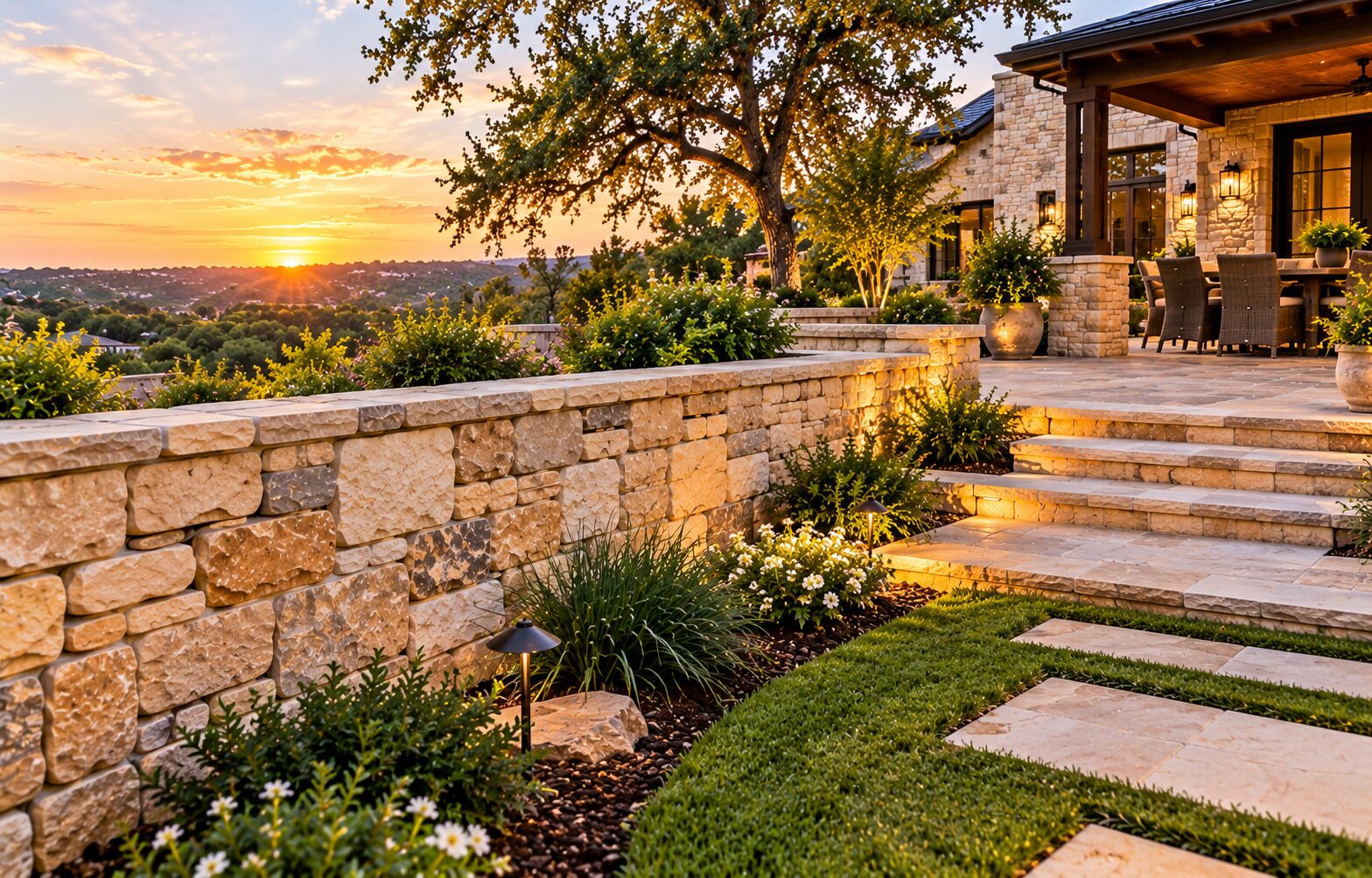

If you own a home in Central Texas, you have probably noticed how many houses, walls and patios are made of stone and brick. There is a good reason for that. Masonry handles heat, storms and years of daily use better than many other materials. But a good result does not come from the material alone. It comes from planning, skill and honest workmanship. In this guide, we will explain how austin masonry works, how stone and brick are different, and how you can plan a project that you will enjoy for many years.
Why Masonry Is a Smart Choice for Austin Homes
Austin has hot summers, sudden heavy rain and the occasional cold snap. In many areas the soil is also clay, which swells when wet and shrinks when dry. Any building material here has to deal with all of this. Stone and brick do it well because they are dense, they do not rot and insects do not eat them.
Strength That Lasts for Generations
Well built brick walls are often said to last a hundred years or more, and stone can last even longer. The mortar between the pieces is the part that needs attention, and many masons suggest checking it every few decades. When the work is done right the first time, yearly upkeep stays very small.
Better Looks and Better Value
Masonry gives a home a solid and warm look that paint and siding find hard to copy. Buyers notice this quickly. A clean stone entrance, a brick chimney or a neat garden wall can lift the whole property. It also saves repainting costs, because the colour is part of the material itself.
Stone Masonry: Natural Beauty With Real Strength
Stone masonry means building with cut or natural stone and joining it with mortar or by fitting the pieces tightly together. If you want to see how a trained crew handles this kind of work, you can learn more about austin masonry services and how a team plans stone masonry for homes and yards.
Central Texas sits on top of limestone, so local stone is easy to match with the land around it. That is why many Hill Country style homes feel like they truly belong where they stand.
Stone Types You Will See Often
- Limestone: Cream and tan colours, native to the region and easy to shape.
- Sandstone: Softer shades with a layered look.
- Granite: Very hard, which makes it good for steps, caps and borders.
- Fieldstone: Rounded natural pieces that give a rustic feel.
Where Stone Looks Best
Stone looks great on front entrances, fireplaces, retaining walls, outdoor kitchens and garden borders. It is also a smart choice for places that stay wet often, because stone does not swell or warp.
Brick Masonry: Classic Style That Never Gets Old
Brick masonry has been used for centuries because it is simple, strong and flexible. Bricks come in many colours and sizes, and they can be laid in patterns like running bond, herringbone or basket weave. Each pattern gives a different feel to a wall, patio or walkway.
Why Homeowners Still Love Brick
Brick keeps indoor temperatures steady, handles fire well and needs very little cleaning. A simple wash with water and a soft brush is usually enough to keep it looking fresh.
Common Brick Problems to Watch
Even strong materials show some wear after many years. Keep an eye out for these signs.
Cracks in Walls
Thin hairline cracks are common and often harmless. Wide or stepped cracks may point to foundation movement, so it is best to get them checked early.
Crumbling Mortar
When mortar turns sandy or falls out, water can enter the wall. Repointing, which means replacing the old mortar, stops further damage.
White Powder on the Surface
This is called efflorescence. It is salt left behind by moving water, and it often means moisture is getting in somewhere.
How to Plan Masonry Projects Step by Step
Good masonry projects start long before the first brick is laid. A clear plan saves money and avoids stress later. You can also browse real work in these masonry projects for ideas and inspiration.
- Decide your goal. Is it a new wall, a repair or a full makeover?
- Set a realistic budget and keep a small extra amount for surprises.
- Study the site, including drainage, soil and sunlight.
- Pick materials that match your home and the local climate.
- Ask for a written quote that lists scope, materials and timeline.
Think About Masonry Design Early
Masonry design is more than choosing a colour. It includes the size of the stones, the joint style, the height of the wall and how it meets the ground and the house. Small choices, like a wider joint or a mix of stone sizes, can change the whole mood. Collect photos, sketch a few ideas and share them with your mason before work begins.
When Masonry Restoration Is the Right Choice
Not every problem needs a rebuild. In many cases masonry restoration can bring an old wall or chimney back to good shape for much less cost and effort. The goal is to repair what is weak and keep what is still strong.
Signs You May Need Restoration
- Mortar that is loose, sandy or missing
- Stones or bricks that have shifted or fallen
- Water stains or damp patches near the wall
- Leaning or bulging sections
- Cracks that keep growing over time
Fixing these early is always cheaper than waiting. Small gaps can become big gaps after just a few rainy seasons.
How to Choose the Right Mason
The final result depends a lot on the people doing the work. Before you hire anyone, check these things.
- Experience with the exact material you want to use
- Photos of finished work and local references
- Proper licence and insurance where required
- A clear written estimate
- Honest talk about timeline and weather delays
A good mason will also tell you when something is not needed. That kind of honesty is worth more than a low price.
Conclusion
Masonry is a long term investment in your home. Whether you love the natural feel of stone, the classic look of brick or simply need an old wall repaired, the key is to plan well and work with skilled hands. Start with clear goals, choose materials that suit Austin weather and never ignore small repairs. Do these things and your masonry will stay strong and good looking for decades.
Frequently Asked Questions
What is austin masonry and why is it so popular?
Austin masonry means building and repairing stone, brick and block work in and around Austin. It is popular because these materials handle heat, rain and shifting soil well, and they give homes a lasting and attractive look.
What is the difference between stone masonry and brick masonry?
Stone masonry uses natural stone, so every piece is unique in shape and colour. Brick masonry uses manufactured units that are uniform in size. Stone gives a rustic look, while brick gives a neat and classic one.
How long do masonry projects usually take?
It depends on size and design. A small garden wall may take a few days, while a large patio, outdoor kitchen or full veneer can take several weeks. Weather and material delivery also affect the schedule.
Does masonry design affect the price?
Yes. Complex patterns, mixed stone sizes, special joints and curved lines take more time and skill, so they cost more. A simple masonry design is faster and usually more affordable.
How do I know if I need masonry restoration?
Look for crumbling mortar, loose or missing stones, leaning walls, water stains and cracks that grow. If you see any of these, a quick inspection can tell you whether a small repair or full masonry restoration is needed.