


Pest control is a critical concern for any food processing facility, and flooring condition plays a more significant role in this than many facility managers initially consider. USDA compliant commercial kitchen flooring with a fully seamless design eliminates many of the small gaps and cracks that pests typically exploit to gain entry and establish hiding spots.
Pests are remarkably skilled at finding even the smallest openings, and cracked or deteriorating flooring often provides exactly the kind of access points that allow infestations to take hold before they become visibly obvious.
How Damaged Flooring Invites Pest Problems
Understanding the specific ways flooring condition contributes to pest vulnerability helps facilities recognize why maintenance in this area matters so significantly for overall pest management strategy.
- Cracks and gaps providing entry points for insects and rodents
- Deteriorating grout lines creating hidden spaces for pest activity
- Moisture accumulation in damaged areas attracting certain pest species
- Food residue trapped in porous or damaged surfaces sustaining pest presence
Facilities dealing with recurring pest issues sometimes trace the root cause back to flooring conditions that have been overlooked in favor of addressing more visible symptoms elsewhere.
Seamless Flooring as a Pest Prevention Strategy
Because seamless resin flooring eliminates the joints and cracks that traditional materials introduce, it removes many of the physical access points pests rely on to establish themselves within a facility in the first place.
This preventive benefit also supports facilities pursuing SQF compliant commercial kitchen flooring, since pest control effectiveness is a core component of the overall hygiene assessment conducted during SQF certification audits.
Integrating Flooring Into Broader Pest Management
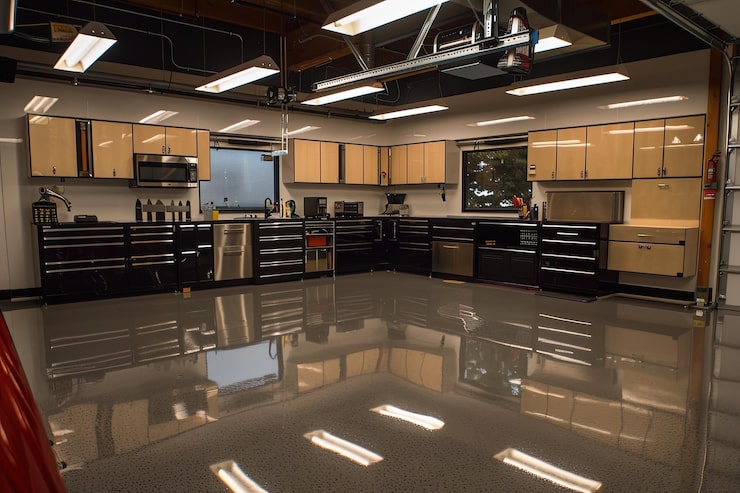
While flooring alone cannot solve pest control entirely, it forms an important foundational element within a comprehensive pest management strategy that typically includes several coordinated measures.
- Seamless, crack free flooring eliminating physical entry points
- Regular inspection identifying and addressing minor damage promptly
- Coordinated pest control services working alongside facility maintenance
- Proper sealing around equipment and structural penetrations in flooring
Recognizing Early Warning Signs
Facility managers should watch for subtle signs that flooring condition may be contributing to pest vulnerability, including small cracks near equipment bases, deteriorating coving at wall junctions, or minor gaps around floor drains.
A Proactive Rather Than Reactive Approach
Addressing flooring condition proactively, before pest issues actually develop, proves far more effective and cost efficient than attempting to solve an active infestation after it has already taken hold within the facility.
Conclusion
Flooring condition represents an often overlooked but genuinely important factor in effective pest control strategy. By maintaining seamless, crack free flooring and addressing minor damage promptly, facilities can close off many of the entry points pests typically exploit, supporting stronger overall pest management outcomes.