
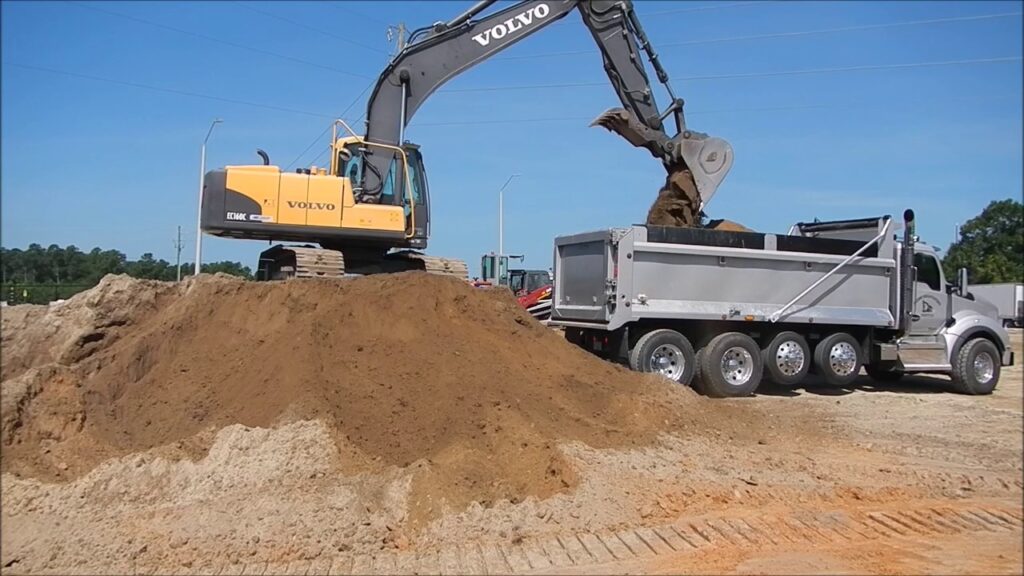

Walk almost any construction site in Houston and you will eventually spot it. A pile of soil sitting where equipment should be moving freely. Nobody talks about it much, but it is one of the most common reasons schedules start sliding. Delays rarely come from one big dramatic problem. They come from small things like this piling up quietly.
So What Actually Happens When Material Builds Up?
Once excavation outpaces removal, crews lose working room. Equipment has to zigzag around mounds instead of moving through a clear path, and productivity drops without anyone really noticing why. This is the main reason Dirt haul planning deserves attention right from the start, not as something you figure out once the site is already a mess.
Why Do Some Sites Stay On Schedule While Others Do Not?
Honestly, it almost always comes down to coordination. Sites that stay on track tend to have removal timed closely with how fast excavation is actually happening. Trucks show up as soon as material is ready instead of showing up whenever it suits the schedule on paper. That alone keeps work areas open and keeps crews from standing around waiting for space to clear.
What Gets Hauled During A Typical Project?
Different phases of construction leave behind different things. Here is a rough idea of what usually needs removal:
- Dirt from grading and leveling
- Sand and clay soils pulled from excavation
- Leftover select fill and common fill
- Material from trench and utility work
- Overburden cleared during site prep
- General construction spoil
Knowing this ahead of time helps a project manager plan truck needs before material even starts piling up on site.
Does Picking The Right Truck Actually Change The Outcome?

More than most people assume. Tandem dump trucks work well for residential subdivisions and tighter commercial lots because they balance solid capacity with easier maneuvering around a busy site. Super dump trucks, with those extra trailing axles, are better suited for mass grading and bigger infrastructure jobs where hauling more per trip saves both time and money.
For longer distances or higher volume needs, end dump trailers are another option worth considering, since they allow faster unloading on larger jobs. Matching the truck to the site is not some small detail. It directly affects cost per load and how long the project actually takes.
Why Does Loose Versus Compacted Material Matter This Much?
This is one of those things that seems minor until it quietly throws off an entire budget. Freshly excavated soil is loose, meaning it takes up more space while weighing less. Once compacted, it becomes denser for that same volume. Base your estimates on the wrong assumption and trucking needs get miscalculated fast, which usually means paying for extra trips or leaving capacity sitting unused.
What About Disposal Rules?
Material cannot just go wherever is nearby and convenient. It has to follow environmental guidelines and land at approved receiving locations. That keeps the whole project compliant and avoids headaches that could stall work further down the line.
How Should Contractors Actually Approach This?
Instead of treating removal as something to deal with after the fact, it helps to build it into the plan from the very beginning. Think through expected material volume, the right mix of trucks for site access, and where the material will end up, all before excavation even starts.
Closing Thoughts
So is this really the missing piece behind a stalled schedule? For a lot of Houston projects, yes, genuinely. Material removal is not the most exciting part of the job, but it is foundational. Get the timing right, pick the right trucks, and stay compliant, and the rest of the project tends to move a lot more predictably, whether it is residential, commercial, or infrastructure work.