
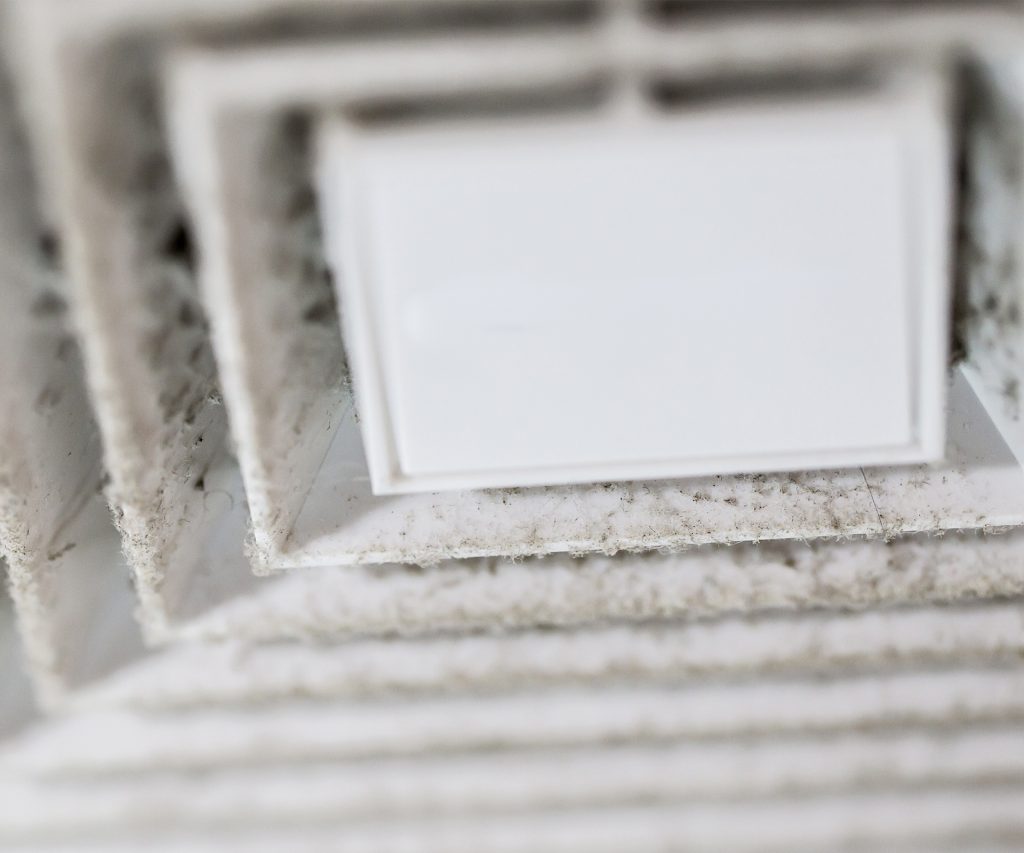

Central cooling systems create cold air by extracting moisture from circulating indoor air streams during summer operation. When warm, humid air contacts cold metal duct surfaces, condensation can form inside ventilation channels. Similarly, clothes dryers discharge moisture-laden exhaust air that can condense inside restricted vent lines.
Microscopic mold spores and bacterial colonies can spread through dark, damp ventilation channels without immediate detection. When central blower fans or dryer vents operate, these harmful micro-organisms travel directly into bedrooms and living spaces. Preventing mold spread requires keeping all ventilation channels clean and dry.
Homeowners using evaporative coolers or living in humid microclimates face heightened risks of fungal growth inside air ducts and dryer vents. Periodic professional inspection and deep cleaning disrupt mold development before colonies contaminate entire ventilation networks. Certified sanitation ensures safe indoor environmental conditions.
Main Section: Preventing Fungal Contamination in Air Pathways
Mold colonies growing inside air ducts or wet dryer vents release millions of invisible spores into the air every time fans operate. Inhaling airborne fungal spores causes severe respiratory inflammation, asthma attacks, and persistent allergic reactions. Complete fungal removal requires specialized equipment and expertise.
Investing in professional air duct cleaning and dryer vent cleaning ensures that hidden fungal spores and bacterial colonies are thoroughly extracted from your home systems using safe sanitizing agents.
Professional technicians apply EPA-registered antimicrobial treatments to sanitized duct surfaces to prevent future fungal development. Safe sanitizing solutions neutralize lingering bacteria without leaving harsh chemical fumes or toxic residues behind. Long-lasting antimicrobial protection preserves duct hygiene effectively.
Inspecting interior duct insulation and dryer vent joints for moisture damage is equally vital during mold remediation procedures. Damaged or wet internal insulation traps moisture and harbors heavy fungal growth that cannot be scrubbed away. Replacing damaged materials preserves clean air quality.
Sub Section: Managing Moisture and Relative Humidity
Managing indoor moisture levels prevents condensation buildup inside hidden ventilation pathways. Maintaining functional condensate drain pans prevents water overflow from pooling inside main air handler cabinets. Proper drainage keeps HVAC components dry and operational.
Installing whole-home dehumidification systems helps control excess moisture before air enters cooling channels during muggy seasons. Balanced humidity levels discourage fungal growth while enhancing overall home comfort. Combined moisture management protects ventilation networks.
Sealing air leaks along duct joints prevents humid attic air from infiltrating cool supply lines or dryer vents. Preventing warm air infiltration stops condensation formation inside ductwork entirely. Sealed ducts maintain consistent dry conditions.
Conclusion
Preventing mold and bacteria growth inside ventilation networks protects household residents from serious airborne health hazards. Combining deep mechanical sanitation with proper humidity control ensures a safe, hygienic living environment.