
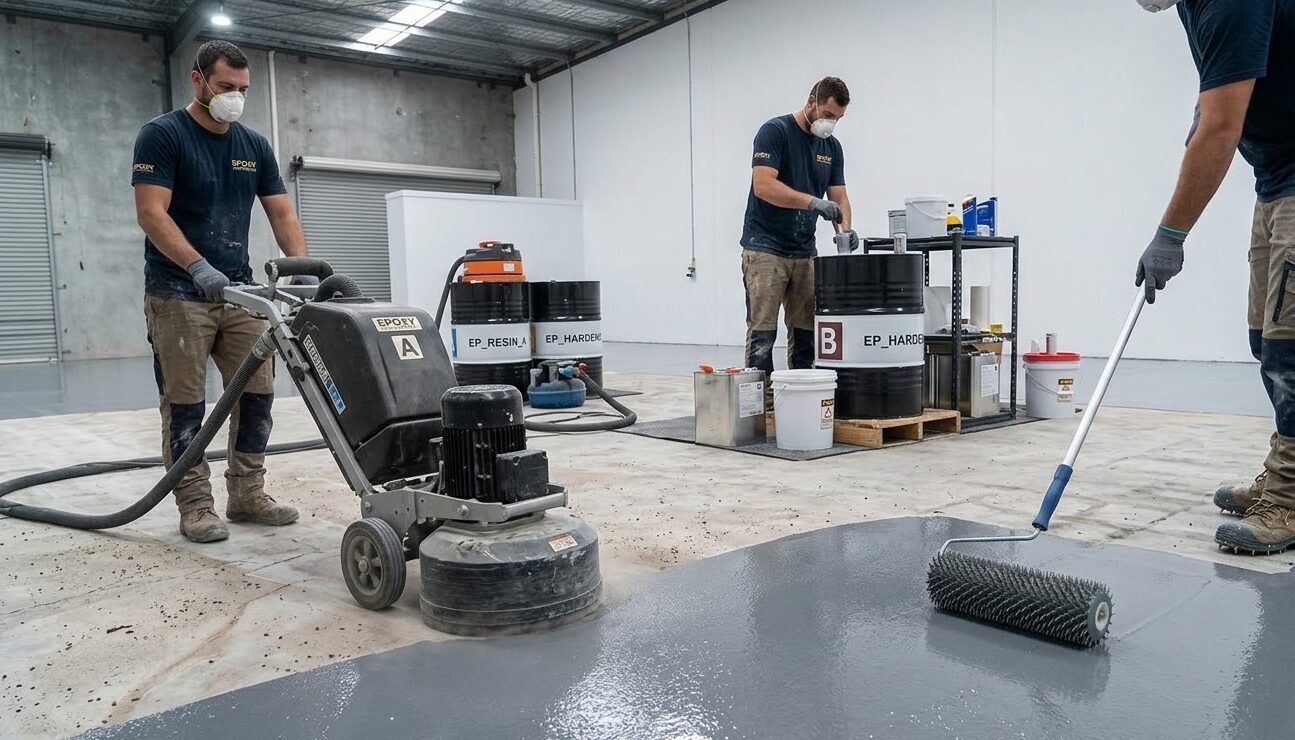

Industrial and commercial facilities demand flooring that can perform under pressure while maintaining safety and efficiency. Choosing the right Epoxy Flooring Contractor ensures your flooring system is built to last, even in the most demanding environments. Epoxy flooring has become a preferred solution for businesses looking for durability, low maintenance, and long-term cost savings. This article explains how professional contractors enhance floor life, improve performance, and support smooth business operations.
Understanding the Value of Epoxy Flooring Systems
Epoxy flooring systems are designed to create a strong, protective layer over concrete surfaces by combining resin and hardeners. This process forms a seamless and non-porous finish that resists wear, chemicals, and heavy impact. Unlike traditional flooring, epoxy coatings provide a polished, professional look while also improving functionality in industrial and commercial spaces. They are ideal for facilities that require both strength and cleanliness, such as warehouses, factories, and showrooms.
Why Professional Installation Matters
The performance of epoxy flooring depends heavily on how well it is installed. A professional contractor ensures that every stage of the process is handled with precision, from preparation to final coating. Proper surface preparation is critical because it allows the epoxy to bond effectively with the concrete, preventing issues like bubbling or peeling. Professionals also use advanced tools and techniques to ensure even application, resulting in a smooth and durable finish that lasts for years.
Enhancing Durability in High-Traffic Areas
High-traffic environments require flooring that can handle constant movement without showing signs of damage. Epoxy flooring is specifically designed for such conditions, offering excellent resistance to abrasion and impact. In warehouses and distribution centers, it supports forklifts and heavy equipment without cracking. In manufacturing units, it withstands continuous operations while maintaining its structural integrity. This durability reduces the need for frequent repairs and helps businesses save on maintenance costs.
Improving Workplace Safety and Cleanliness
Safety is a top priority in any industrial or commercial setting, and epoxy flooring plays a key role in reducing risks. Its seamless surface eliminates cracks and uneven areas that can cause accidents. Anti-slip additives can be included to improve traction, especially in areas prone to spills. Additionally, epoxy flooring is easy to clean, as it does not absorb dust, dirt, or liquids. This makes it an excellent choice for environments that require strict hygiene standards.
Cost Efficiency and Long-Term Benefits
Investing in epoxy flooring offers significant long-term benefits for businesses. While the initial installation cost may be higher than traditional flooring options, the durability and low maintenance requirements result in overall cost savings. Businesses spend less on repairs, cleaning, and replacements over time. With the help of experienced Epoxy Flooring Experts, companies can achieve a flooring solution that delivers consistent performance and value for many years.
Customization Options for Different Industries
One of the major advantages of epoxy flooring is its versatility. It can be customized to meet the specific needs of different industries. For example, color-coded floors can be used in warehouses to improve organization and safety. In commercial spaces, decorative finishes can enhance the overall appearance. Chemical-resistant coatings can be applied in factories to protect against spills and corrosion. This flexibility allows businesses to create a flooring system that aligns with their operational requirements.
The Role of Maintenance in Floor Longevity
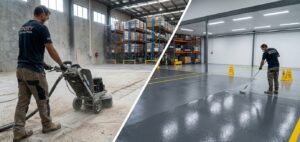
Although epoxy flooring is low maintenance, regular care is essential to maximize its lifespan. Simple practices like routine cleaning, avoiding harsh impacts, and addressing minor damages early can help maintain its performance. Professional contractors often provide maintenance guidelines and support to ensure the flooring remains in optimal condition. Proper maintenance not only extends the life of the floor but also preserves its appearance and functionality.
Choosing the Best Contractor for Your Needs
Selecting the right contractor is crucial for achieving the desired results. Businesses should look for contractors with a strong reputation, proven experience, and expertise in handling industrial and commercial projects. Clear communication, transparent pricing, and a commitment to quality are important factors to consider. A reliable contractor will guide you through the entire process, ensuring your flooring project is completed efficiently and meets your expectations.
Common Challenges and How to Overcome Them
Some businesses face challenges such as tight deadlines, operational disruptions, or budget constraints when installing new flooring. Working with an experienced contractor helps overcome these challenges through proper planning and execution. They can schedule the project in phases to minimize downtime and ensure smooth operations. Additionally, using high-quality materials reduces the risk of future issues, saving time and money in the long run.
Conclusion
Epoxy flooring is a smart investment for industrial and commercial facilities looking to improve durability, safety, and efficiency. By choosing a professional epoxy flooring contractor, businesses can ensure a high-quality installation that delivers long-lasting results. From enhancing floor life to reducing maintenance costs, epoxy flooring supports better performance and smoother operations, making it an essential solution for modern workplaces.
FAQ
1. Can epoxy flooring handle extreme industrial conditions
Yes, epoxy flooring is designed to withstand heavy loads, chemical exposure, and high traffic, making it suitable for demanding industrial environments.
2. Is epoxy flooring environmentally friendly
Many modern epoxy systems are designed to be low in volatile compounds, making them safer for both workers and the environment.
3. How soon can a facility use the floor after installation
Most epoxy floors can be used within 24 to 72 hours after installation, depending on the curing time and environmental conditions.