
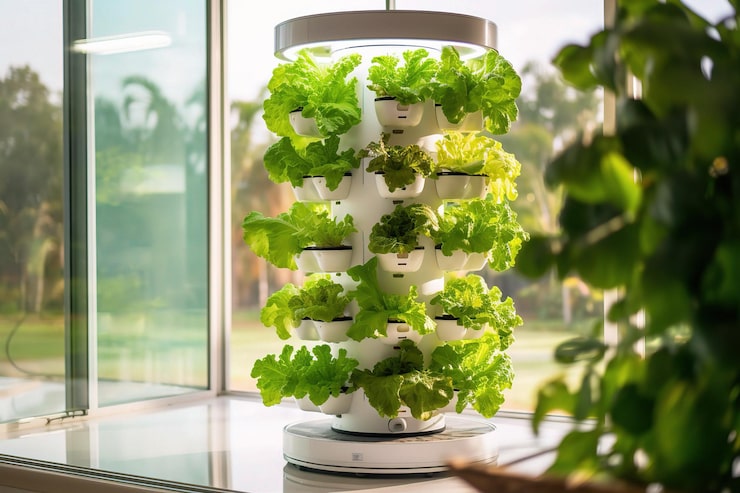

Food production is no longer limited to farms and large gardens. With modern technology, people can now grow fresh vegetables inside their homes using compact and efficient systems. One of the most advanced solutions is the aeroponic tower, which allows plant roots to remain suspended in air while receiving nutrients through a fine mist. This method improves oxygen intake and ensures that plants receive the exact nutrients they need. As urban living increases and outdoor space becomes limited, aeroponic systems are emerging as a practical and sustainable way to grow food at home.
Understanding Aeroponic Tower Technology
An aeroponic tower is a vertical growing structure designed to support multiple plants at different levels. Instead of soil, the roots hang freely inside the tower and are misted with nutrient-rich water at scheduled intervals.
This system creates a controlled environment where plants can grow without competition for water or minerals. The vertical design allows gardeners to grow more plants in a smaller area, making it ideal for apartments, patios, and indoor spaces.
Why Oxygen Matters in Plant Growth
Oxygen is essential for root respiration and nutrient absorption. In traditional soil gardens, roots often struggle to receive enough oxygen due to compact soil or excess moisture. Aeroponic systems remove this problem by exposing roots directly to air.
This constant airflow strengthens root systems and improves nutrient uptake. Research in controlled agricultural environments shows that plants grown with aeroponic methods often grow faster and develop healthier leaves and stems than soil-grown plants.
Water and Nutrient Conservation
Aeroponic towers are designed to use resources efficiently. Nutrient solution is sprayed onto the roots and then collected back into a reservoir for reuse. This recycling process significantly reduces water waste.
Compared to soil gardening, aeroponic systems can save up to 90 percent of water. Nutrients are delivered precisely to the roots, which prevents runoff and minimizes environmental pollution. This makes aeroponic towers an excellent choice for eco-conscious gardeners.
A Practical Look at Aeroponic Tower Gardening
An aeroponic tower garden works like a self-feeding plant system. Gardeners place seedlings into small openings along the tower and fill the reservoir with nutrient solution. The pump then sprays a fine mist onto the roots at regular intervals.
This approach removes many of the challenges of soil gardening. There is no digging, no muddy cleanup, and fewer pests to manage. Many people find this method easier and more enjoyable than traditional gardening.
Environmental and Health Benefits
Aeroponic towers support sustainable living by reducing the need for chemical pesticides and fertilizers. Without soil, many plant diseases and insects are naturally avoided.
Growing food at home also reduces transportation and packaging, which lowers carbon emissions. Freshly grown vegetables often contain more nutrients because they are harvested at peak freshness. This encourages healthier eating habits and a closer connection to food sources.
Best Crops for Aeroponic Towers
Leafy greens are among the best crops for aeroponic systems. Lettuce, spinach, and kale grow quickly and require minimal support. Herbs such as basil, mint, and parsley also thrive in misted root environments.
Strawberries are another popular option because they grow well in clean, soil-free conditions. With proper nutrients and lighting, small tomato and pepper plants can also be cultivated successfully in aeroponic towers.
Indoor and Outdoor Growing Options
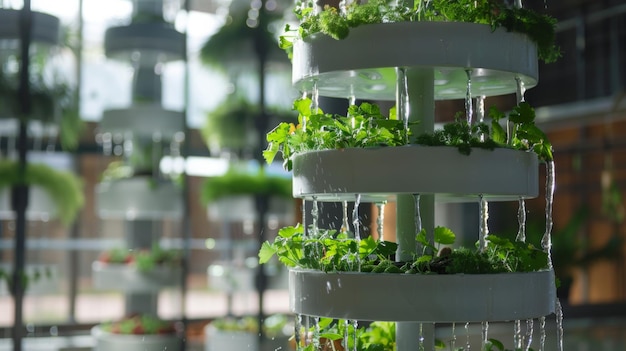
Aeroponic towers can be used both indoors and outdoors. Indoor setups require LED grow lights to provide consistent illumination throughout the year. These lights allow plants to grow even in areas without natural sunlight.
Outdoor towers should be placed in sunny locations with protection from strong winds or extreme temperatures. This flexibility allows gardeners to grow food in different climates and living spaces.
Maintenance and System Care
Maintaining an aeroponic tower is simple and does not require advanced gardening skills. Regular tasks include checking nutrient levels, ensuring the pump is functioning properly, and cleaning the system to prevent mineral buildup.
Monitoring plant health helps identify nutrient deficiencies early. With basic routine care, aeroponic towers can operate efficiently and provide reliable harvests.
Cost and Long-Term Value
Although the initial investment in an aeroponic tower system may be higher than traditional gardening tools, the long-term savings can be significant. Reduced water usage and consistent harvests help lower grocery expenses over time.
For schools and community programs, aeroponic systems provide educational value by teaching students about plant biology and sustainable agriculture. Small businesses can also use them to grow fresh herbs and greens in compact spaces for local markets.
Conclusion
Aeroponic tower systems offer a modern and efficient way to grow food at home. By suspending roots in air and recycling nutrients, these systems promote faster growth, healthier plants, and reduced water consumption. They are ideal for people with limited space who still want fresh, homegrown produce. With proper setup and care, an aeroponic tower can transform small living areas into productive and sustainable gardens.
FAQ
- Can beginners use an aeroponic tower system?
Yes, most systems are designed for easy setup and require only simple monitoring, making them suitable for beginners. - How often should nutrient solution be replaced?
Nutrient solution is usually replaced every one to two weeks, depending on plant type and growth stage. - Are aeroponic towers safe for indoor food growing?
Yes, aeroponic towers provide a clean and controlled environment that is safe for growing fresh vegetables indoors year-round.